Biotechnology Laboratory Technology glossary
Biotechnology Laboratory Technology
Hello, my name id Liz. I studied in the programs of Laboratory Technology: Biotechnology. It my second session in this programs. My glossary is form helping with biology, chemistry and microbiology terms that can be difficult. it will have the definition of word, image and the pronunciation.
- antibiotic
- noun
- Antibiotics are powerful medications that treat bacterial infections by killing bacteria or stopping them from reproducing.
- Example: the doctor prescribed a specific antibiotic to clear up the bacterial infection
- en: Antibiotique

- Atom
- noun
- An atom is the smallest, fundamental unit of matter that retains the chemical properties of an element
- Example: An atom is the smallest unit of an element
- en: Atome

- Biology
- noun
- Biology is the science that studies life, living things, and the evolution of life
- Example: studying biology helps us understand the complex mechanisms of life
- en: Biologie

- Biotechnology
- noun
- Biotechnology is the use of living systems, organisms, or biological components to develop products, technologies, and processes that improve human life and the environment.
- Example: modern biotechnology allows scientists to use living organisms to develop innovative products
- en: Biotechnologie
- cell
- noun
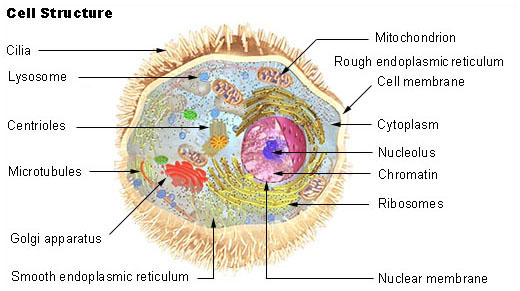
- A cell is the basic structural, functional, and biological unit of all known living organisms
- Example: the cell is the basic structural unit of all living organisms
- en: cellule
- Cell culture
- noun
- cell culture is the process of growing cells (from animals, plants, microbes) in a controlled, artificial environment (like a lab dish) outside their natural organism
- Example: in my microbiology course, we use cell culture to grow cell outside of their natural environment
- en: culture cellulaire

- chemistry
- noun
- Chemistry is the branch of natural science that studies the composition, structure, properties, and changes of matter.
- Example: understanding the chemistry of how different elements react allows scientists to develop new medicines
- en: chimie

- chromosome
- noun
- A chromosome is a thread-like structure located inside the nucleus of animal and plant cells, composed of a single, long molecule of DNA tightly coiled around proteins
- Example: Humains typically have 23 pairs of chromosomes in each cell
- en: chromosome

- DNA (Deoxyribonucleic Acid)
- noun
- the primary hereditary molecule in nearly all living organisms, residing in the cell nucleus (and mitochondria) to store genetic instructions for development, function, growth, and reproduction
- Example: the police were able to identify the suspect by comparing the DNA collected at the crime scene with the genetic profiles
- en: ADN ( Acide Désoxyribonucléique)

- Gene
- noun
- the basic physical and functional unit of heredity, composed of specific DNA sequences located on chromosomes.
- Example: A gene is a spécific segment of DNA
- en: Gène

- Genetic
- noun
- Genetic is the study of heredity, the process of a parent passing certain genes to their children
- Example: A person's genetic makeup, inherited from their parents, determines various physical characteristics
- en: Génétique
- genetic engineering
- noun
- the deliberate modification of the characteristics of an organism by manipulating its genetic material
- Example: Scientists use genetic engineering to precisely edit a plant's DNA
- en: génie génétique

- GMO (Genetically modified organism)
- noun
- A Genetically Modified Organism (GMO) is any plant, animal, or microorganism whose genetic material (DNA) has been altered using genetic engineering techniques, often combining DNA from different species to create new traits.
- Example: Farmers often choose to plant GMO because the resist common pests without chemical sprays
- en: OGM (organisme génétiquement modifié)
- microbiology
- noun
- Microbiology is the study of microorganisms, or microbes, a diverse group of generally minute simple life-forms.
- Example: Studying microbiology allows researchers to examine microscopic organisms
- en: microbiologie

- microorganism
- noun
- is a microscopic living organism too small to be seen with the naked eye, requiring a microscope for visualization
- Example: A bacterium is a microorganism
- en: microorganisme

- molecule
- noun
- A molecule is the smallest particle of a chemical substance (element or compound) that retains all its physical and chemical properties
- Example: A water molecule consists of two hydrogen atoms bonded to a single oxygen atom
- en: molécule

- pathogen
- noun
- A pathogen is any organism or agent that produces disease in a host
- Example: the doctor explained that a pathogen is any microorganism that can cause disease.
- en: pathogène

- PCR
- Noun
- the PCR is a machine for rapidly amplify (copy) specific, small segments of DNA or RNA into millions or billions of copies
- Example: Forensic scientists use PCR to amplify tiny traces of DNA found at a crime scene.
- en: PCR (Don't have a translation)

- RNA
- noun
- Ribonucleic acid (RNA) is a versatile, typically single-stranded nucleic acid molecule essential for coding, decoding, regulation, and expression of genes
- Example: In the cell, RNA acts as a messenger that carries genetic instructions from the DNA
- en: ARN

- Traits genetic
- noun
- a specific characteristic of an individual.
- Example: Having blue eyes is a classic example of a genetic trait passed down from parents to their children.
- en: trait génétique
Comments
Post a Comment